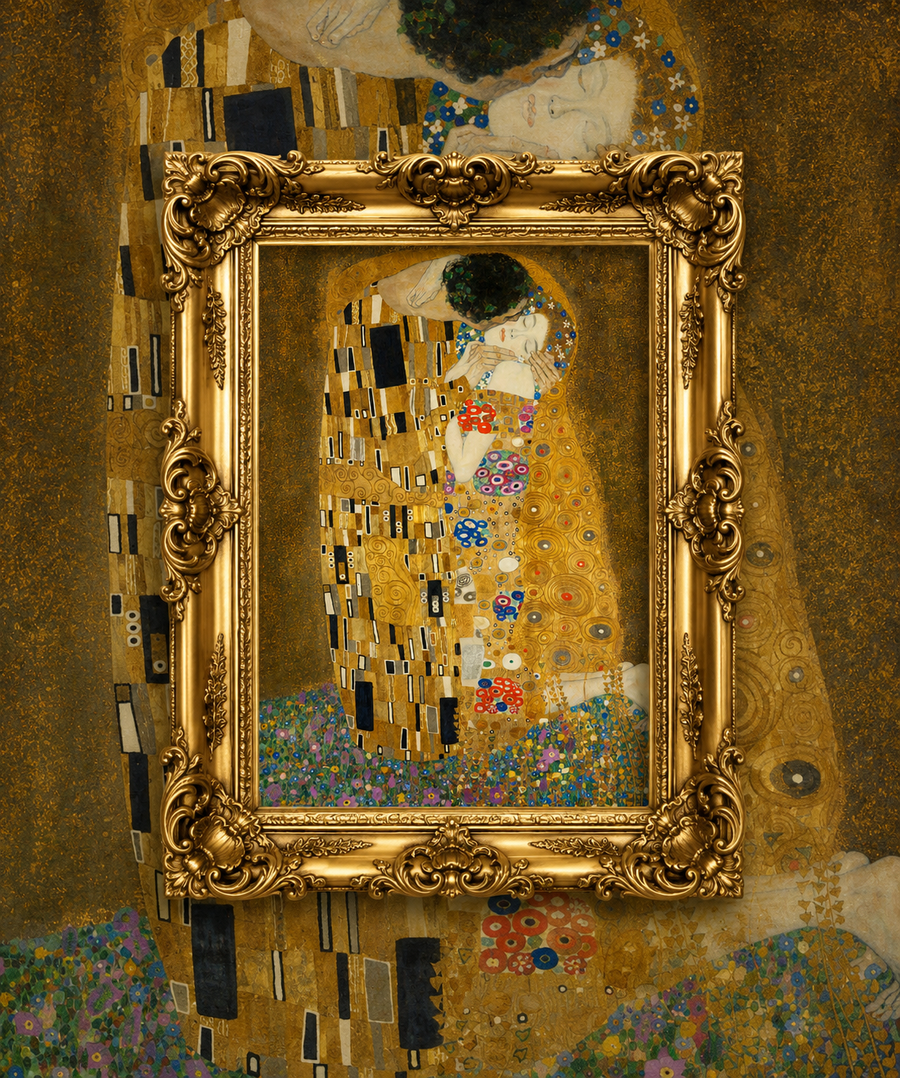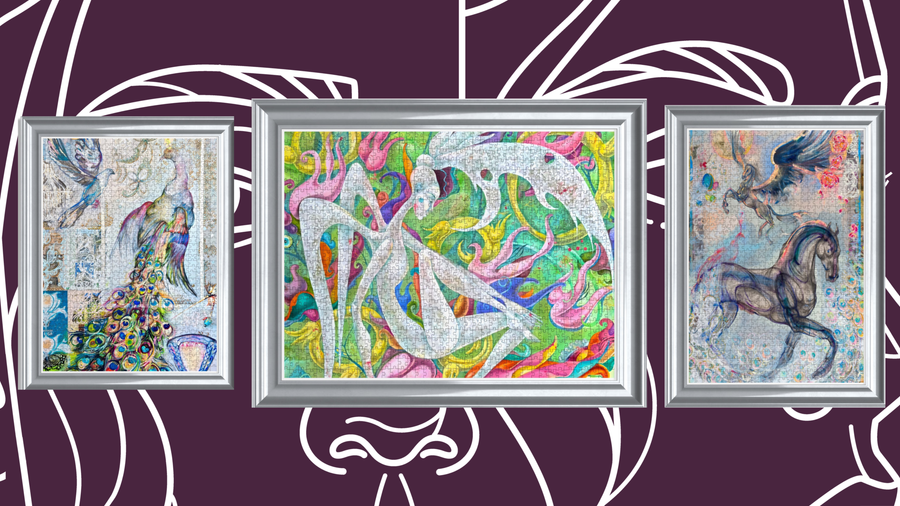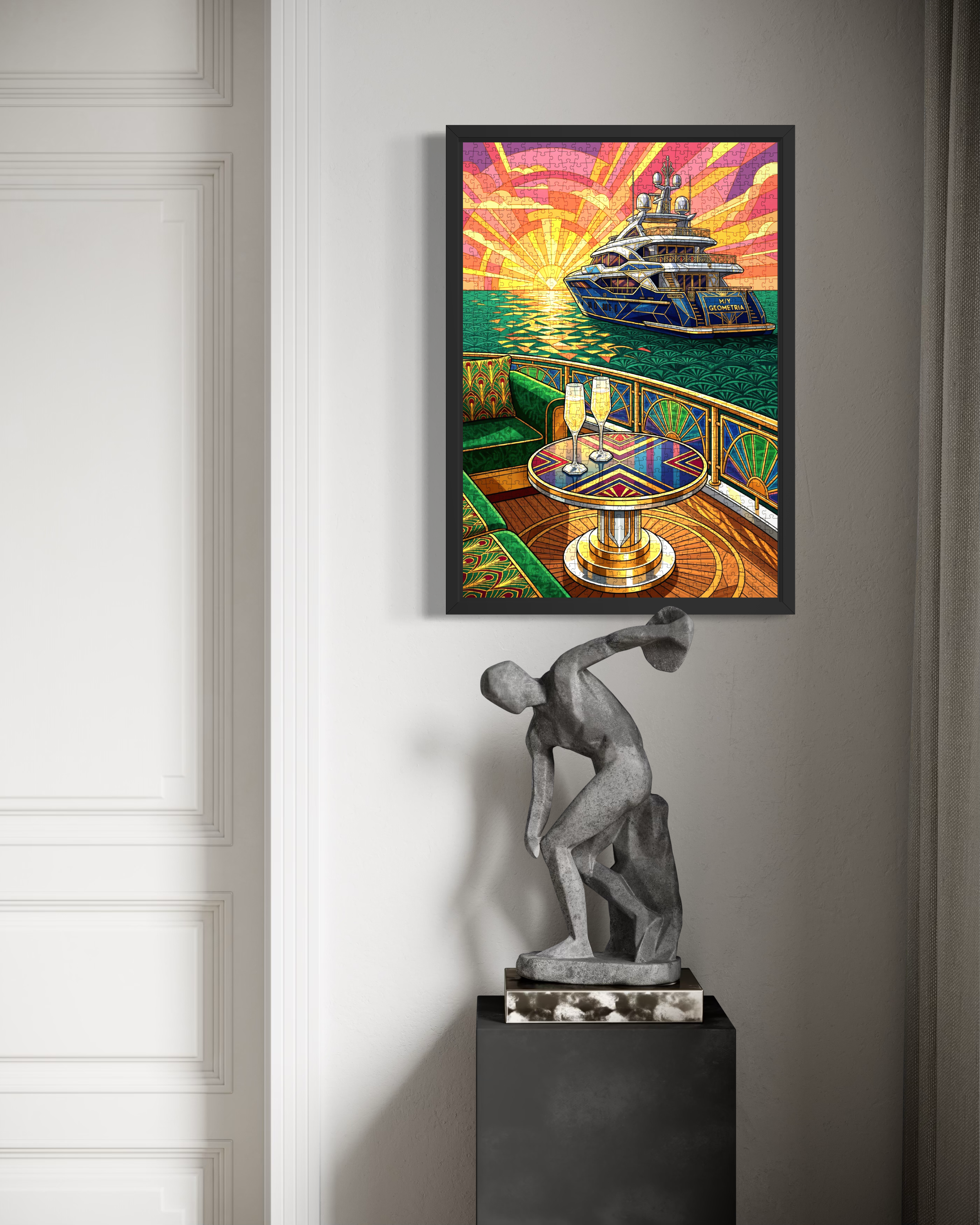
A finished puzzle has a strange emotional weight. For hours or days, it was not an object. It was a process: a table slowly filling with colour, small decisions, quiet frustration, small victories, and finally one complete image.
That is why the end of a puzzle often creates the same question: what should I do with it now?
Some puzzles are made to be taken apart and returned to the box. Others feel too personal, too beautiful, or too meaningful to disappear again. If the artwork, the memory, or the time spent with it matters, a finished puzzle can become more than a completed activity. It can become a framed piece of art for the home.
The first decision: keep it temporary or make it permanent
Before you reach for glue, think about what the puzzle means to you. There are two honest ways to finish a puzzle:
- Temporary completion — you enjoyed the process and want to rebuild it later.
- Permanent preservation — the final image deserves to stay visible.
Neither choice is better. A puzzle that lives in the box has value as a ritual. A puzzle that lives on the wall has value as a memory. The right answer depends on whether the final image still speaks after the last piece is placed.
When a puzzle is worth framing
Not every puzzle needs to become wall art. The best candidates usually have one or more of these qualities:
- The artwork fits the atmosphere of your home.
- The colours work with your interior rather than fighting it.
- The image has emotional meaning: a place, a person, an artist, a season, a wedding, a trip, or a private memory.
- The puzzle was difficult enough that finishing it feels like an achievement.
- The final image still looks beautiful from a distance, not only up close.
This is where art puzzles are different from ordinary entertainment puzzles. A strong art puzzle should not only be interesting piece by piece. It should also become visually calm and complete when viewed as a whole.
Step 1: flatten and check the completed puzzle
Before preserving the puzzle, make sure the surface is clean and flat. Run your hand gently across the image and check for raised pieces. If a piece is not fully connected, press it down before applying anything to the surface.
Good lighting helps here. Look from the side, not only from above. A puzzle can seem flat from the top while small edges are still lifted. These raised edges can become more visible after glue dries or once the puzzle is framed.
Step 2: protect the table before applying glue
Puzzle glue is simple, but it should not be rushed. Place a protective sheet under the puzzle before application. Make sure the entire puzzle is supported, especially the corners and edges.
If the puzzle has to be moved before gluing, use two large flat boards or a puzzle mat rather than lifting it by hand. A completed puzzle is stronger than it looks, but the centre can bend if it is not supported evenly.
Step 3: apply puzzle glue slowly and evenly
The goal is not to flood the puzzle. The goal is to connect the pieces with a thin, even layer. Start from the centre and move outward. Spread the glue across the surface so it reaches the fine lines between pieces without leaving heavy pools.
Pay special attention to the edges. The border is what gives the finished piece structure. If the edges are weak, the puzzle can flex when lifted or placed into a frame.
For a deeper step-by-step method, read our DAILE puzzle glue guide.
Step 4: let it dry completely
This is the least exciting step, but one of the most important. Do not frame or move the puzzle too early. Even if the top feels dry, the fine spaces between the pieces may still be setting.
Let the puzzle dry on a flat surface. Avoid direct heat, strong sunlight, or bending the board underneath. Patience at this stage gives the finished artwork a cleaner, more stable result.
Step 5: choose how the puzzle should live in the room
Once preserved, the puzzle becomes part of the interior. That means the question changes from how do I keep it together? to where does this artwork belong?
Think about distance. A puzzle seen above a desk is experienced differently from a puzzle placed in a hallway, bedroom, living room, or reading corner. Some artworks invite close looking. Others need more space around them.
A finished puzzle often works best in places connected to pause: near a coffee table, above a sideboard, beside a reading chair, or in a quiet passage where people naturally slow down.
Framing a puzzle: what to consider
A frame should support the artwork, not overpower it. For art puzzles, simple framing usually works best. The puzzle already has detail, texture and movement, so the frame does not need to compete.
Consider these points before choosing a frame:
- Depth: make sure the frame can hold the puzzle thickness comfortably.
- Colour: choose a frame that supports the artwork and your room.
- Glass: glass or acrylic can protect the puzzle, but it may also create reflections.
- Border: a small visual margin can make the puzzle feel more like a gallery piece.
- Weight: larger puzzles need secure hanging hardware.
If you want the image to feel more like a design object, avoid overly decorative frames. Let the artwork remain the main subject.
Should you frame a puzzle with or without glass?
Both options can work.
With glass or acrylic: the puzzle is better protected from dust, touch and small accidents. This is useful in busy rooms or homes with children or pets.
Without glass: the surface texture remains visible. You can see the tiny geometry of the pieces, which is part of what makes a framed puzzle different from a print.
For many people, the visible texture is the point. It shows the time, effort and ritual behind the object.
How to display a puzzle without making the room feel childish
The difference is in the artwork and the styling. A puzzle does not have to look playful or casual. When the image is based on fine art, strong photography, meaningful personal moments, or carefully chosen colour, it can sit naturally beside prints, books, ceramics and framed works.
To keep the result elevated:
- Choose artwork that matches the emotional tone of the room.
- Use a clean frame or understated mounting method.
- Give the piece enough negative space around it.
- Avoid overcrowding it with too many small decorations.
- Let the story of the image be part of the room.
The deeper reason to preserve a puzzle
Preserving a puzzle is not only about keeping cardboard together. It is about keeping the time visible.
A framed puzzle carries two images at once: the artwork itself and the memory of assembling it. Every line between pieces becomes a quiet trace of attention. That is what makes it different from buying a print and hanging it immediately.
You did not just choose the image. You spent time with it.
Related reading
- Art Puzzles for Adults: How to Choose a Masterpiece You’ll Want to Frame
- How Difficult Is a 1000-Piece Art Puzzle?
- The Gift of Slowness
DAILE’s approach
DAILE art puzzles are designed with the final moment in mind. The puzzle is not treated only as an activity, but as a slow encounter with an image that can remain in the home after completion.
That is why our collections focus on art, atmosphere, story and display. The goal is not to finish quickly. The goal is to create something you may want to keep.