Digital Art Story
Market in Amsterdam
by Market in Amsterdam — Henri Houben
City scene • Early 20th century • Amsterdam market life • European urban realism • Architectural atmosphere • Street & crowd composition
About the work
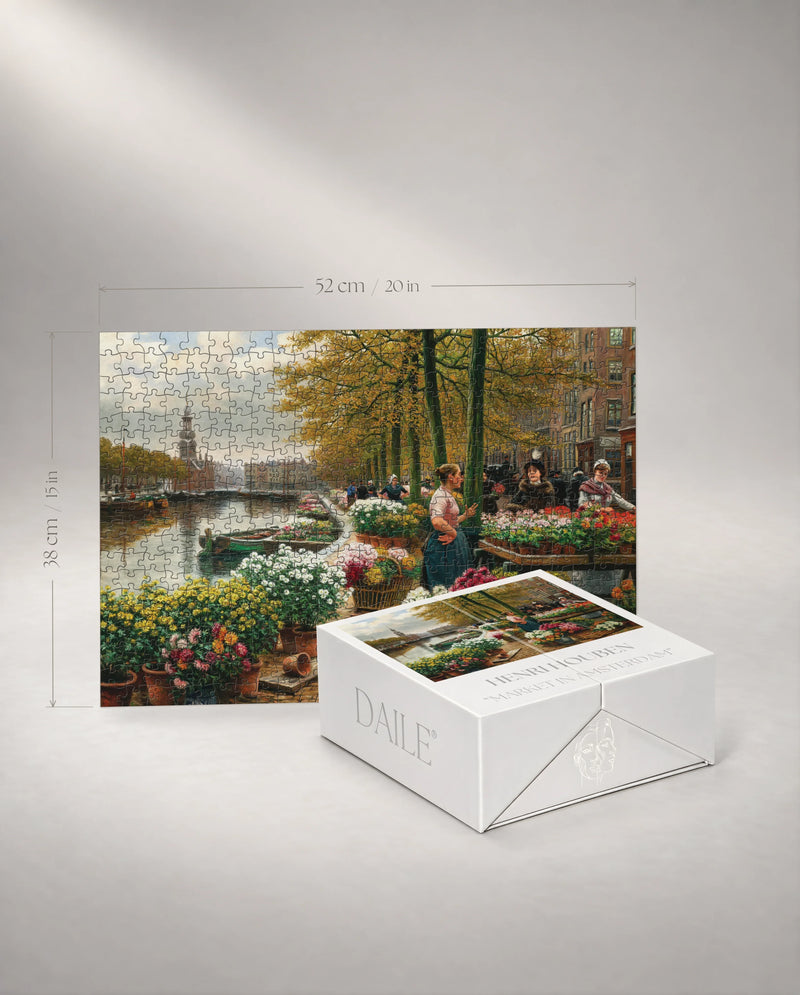
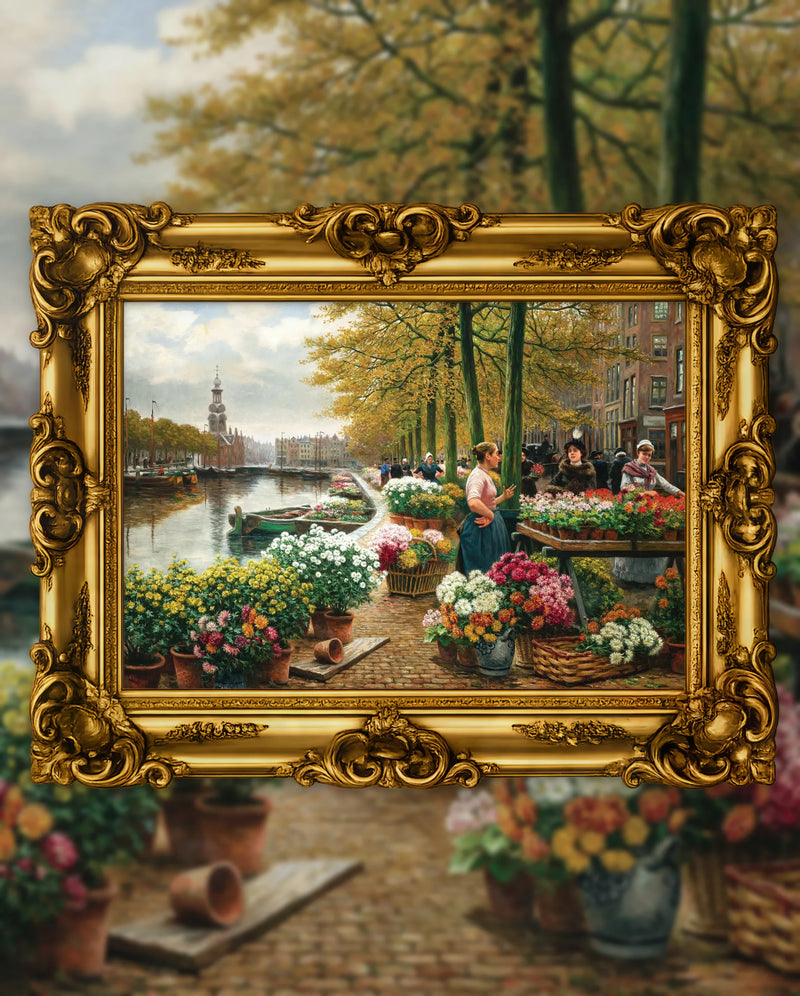
“Market in Amsterdam” is a portrait of the city’s everyday heartbeat — vendors, passersby, and the quiet choreography of trade. The architecture frames the scene with Dutch character, while the crowd adds warmth and movement.
It’s not a postcard view — it’s Amsterdam as it feels: practical, human, and beautiful in its routine.
A piece for people who love travel, city energy, and art that holds many small stories at once.
Good to know
- Amsterdam street life - lived-in, authentic atmosphere
- Market rituals - community, rhythm, daily beauty
- Architecture as identity - the city’s character in every line
- A “story-rich” artwork: you discover details each time you look
- Perfect for kitchens, dining rooms, hallways, studios — spaces that want life

The artist
Market in Amsterdam — Henri Houben
1875–1931 • Belgian (worked across the Low Countries)
Henri Houben was known for atmospheric city scenes and everyday street life — painting the rhythm of Europe with a calm, observant eye. His work often celebrates ordinary moments: markets, pedestrians, architecture, and changing weather. Houben’s strength is mood — soft light, gentle movement, and a sense of place that feels lived-in rather than staged.
AMSTERDAM, AS A LIVING MOMENT.
This artwork captures the kind of scene you remember years later — not because it was perfect, but because it was real. “Market in Amsterdam” brings the warmth of city life into your home: movement, light, and the comfort of familiar routine.
3 DETAILS TO NOTICE
COMPOSITION
A scene that feels like a walk.
The market is arranged like a path for the eye — architecture anchors the view while figures create gentle motion.
MOOD
Soft light, human warmth.
Even in a busy square, the atmosphere stays calm — Houben paints bustle without stress.
STORY
Many lives in one frame.
Markets are where small stories happen: waiting, choosing, carrying, greeting. This artwork holds that feeling.
Tip: Looks especially good in a thin black frame or warm oak — simple framing keeps the street scene elegant.